Why Easy Gain Is the Playful Slab Serif Your Designs Need
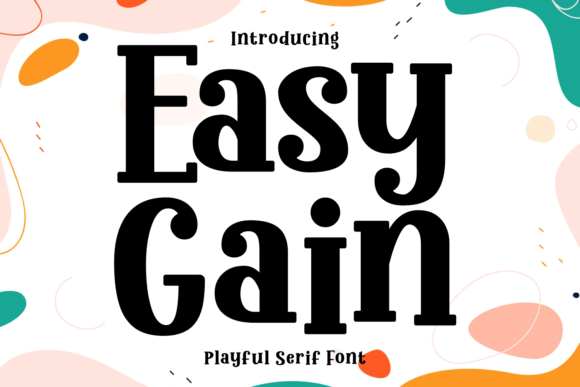
You know that feeling when you're scrolling through a sea of minimalist designs and everything starts to look the same? Clean sans serifs, thin lines, muted palettes—there's a time and place for all of that, but sometimes a project calls for something with a bit more personality. Something that doesn't whisper but speaks up in a room. That's where Easy Gain enters the conversation. It's a thick, playful slab serif with wide characters and chunky serifs that practically demand attention, and if you've been searching for a typeface that brings energy and confidence to your work, this one deserves a closer look.
What Makes This Typeface Stand Out
Easy Gain isn't trying to be subtle, and that's exactly the point. The wide letterforms give each character room to breathe while maintaining a bold, grounded presence. The chunky serifs add a sense of weight and stability, but the overall design avoids feeling heavy or outdated. There's a modern playfulness baked into the proportions that keeps it fresh. Think of it as the typographic equivalent of a confident handshake—firm, warm, and memorable.
For anyone working on logo design, this kind of visual personality matters. A logo needs to do a lot of heavy lifting: it has to be recognizable at a glance, work across different sizes and media, and communicate something about the brand's character. A slab serif font like Easy Gain brings a sense of reliability and approachability without sacrificing style. It says, "We're serious about what we do, but we don't take ourselves too seriously." That balance is surprisingly hard to find in premium font libraries.
Real Projects Where Easy Gain Shines
Let's get practical. Where does a font like this actually work well? The short answer: almost anywhere you need a headline or display text to grab attention.
Packaging design is one of the most obvious fits. If you're designing labels for a craft brewery, a hot sauce brand, or a specialty coffee company, Easy Gain's bold structure and playful vibe align perfectly with products that want to feel artisanal yet approachable. The wide characters ensure legibility even at smaller sizes on a label, and the chunky serifs add texture that photographs well for e-commerce listings and social media.
Poster design and banner typography are another natural home for this typeface. Whether you're promoting a local event, creating signage for a farmers' market, or designing a flyer for a workshop, the font's commanding presence means your message won't get lost. It fills space without feeling cramped, which is exactly what you need when someone has three seconds to read your sign from across a room.
For t-shirt typography and merchandise, Easy Gain brings that bold, graphic quality that looks great on fabric. Think about the shirts and tote bags you see at indie markets and small brand pop-ups—the ones that catch your eye are usually the ones with type that has character. A display font like this one works beautifully for single-word statements, brand names, or short phrases that anchor a design.
Building a Brand Identity Around Bold Typography
If you're a small business owner or creative entrepreneur working on your brand identity, font choice is one of the most consequential decisions you'll make. Typography sets the emotional tone before anyone reads a single word. Easy Gain communicates warmth, confidence, and a touch of fun—qualities that resonate with audiences who value authenticity over corporate polish.
Imagine using it as the primary headline font for a boutique bakery's website. Paired with a clean sans serif font for body text, it creates a visual hierarchy that feels inviting and professional. Or consider a fitness brand that wants to feel energetic without being aggressive. Easy Gain's rounded, friendly proportions strike that balance in a way that a sharp geometric typeface might not.
The key to building visual consistency across your brand is choosing typography that works in multiple contexts. You need a font that looks just as good on a website header as it does on a printed business card, a social media post, and a product label. Easy Gain's versatility across digital and print applications makes it a practical choice for brands that need their type to perform everywhere.
Pairing Easy Gain With Other Fonts
No font exists in isolation. Font pairing is where design gets interesting, and Easy Gain plays well with others precisely because of its strong personality. When you have a bold slab serif handling headlines, you want a complementary partner for body copy that doesn't compete for attention.
A simple, geometric sans serif font is often the safest bet. Fonts like Montserrat, Open Sans, or Lato provide clean readability at smaller sizes and create a pleasing contrast with Easy Gain's textured, chunky character. If you want something with a bit more warmth, a handwritten font or script font can work beautifully for accent text—think subheadings, quotes, or call-to-action buttons—while Easy Gain anchors the main headlines.
The trick is to avoid pairing it with another heavy display font. Two typefaces competing for dominance creates visual noise rather than a cohesive design. Let Easy Gain do the heavy lifting on headlines and keep your supporting fonts understated.
Readability and Practical Considerations
Bold, playful fonts sometimes sacrifice readability for personality, but Easy Gain holds up well in this regard. The wide letterforms and generous spacing between characters help maintain legibility even at smaller sizes. That said, like any slab serif, it performs best when given room to breathe. Avoid cramming it into tight spaces or using it for long paragraphs of body text—that's not what it's designed for.
For web design, consider using Easy Gain for hero sections, feature callouts, and section headings where visual impact matters most. Reserve your body text for a typeface optimized for screen reading. On social media graphics, where attention spans are measured in milliseconds, a bold headline set in Easy Gain can be the difference between someone stopping to read and scrolling past.
Before committing to any commercial font for a project, always test it in context. Set your actual headlines, not just lorem ipsum. Check how it looks on different screen sizes if it's going on a website. Print a sample if it's destined for packaging or print materials. Typography that looks stunning in a font preview can behave differently when it meets real content.
Licensing and Using Fonts Responsibly
One thing worth mentioning: always review the licensing terms before using any font in commercial work. Whether you're creating designs for clients, selling merchandise, or building a product, you need to make sure your license covers your intended use. Most design assets come with clear licensing documentation, and taking five minutes to read it can save you headaches down the road.
Easy Gain, like other quality modern typography offerings, typically includes styles and weights that give you flexibility within a single typeface family. Review what's included before you start designing—knowing whether you have access to bold, condensed, or italic variations helps you plan your layouts more effectively and get the most value from the font.
At the end of the day, choosing typography is about matching the tool to the task. Easy Gain is a creative font built for moments when you want your text to do more than just communicate words—you want it to communicate feeling. Whether you're designing a brand from scratch, refreshing your editorial layouts, or creating a line of merchandise, having a bold, personality-driven typeface