Architoria: The Vintage Blackletter Font with Modern Edge
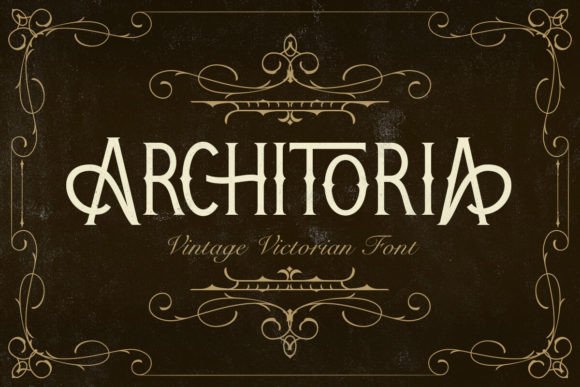
There's something magnetic about typography that carries history in its strokes. When you encounter a font that feels like it was pulled from a Victorian-era storefront or a weathered poster advertising a traveling circus, it stops you. It makes you lean in. That's precisely the kind of visual magnetism Architoria brings to the table—a blackletter typeface steeped in vintage character, yet versatile enough for contemporary creative work.
Understanding the Visual DNA of Architoria
Blackletter fonts have always occupied a distinctive space in typography. They're ornate, dramatic, and unapologetically bold. Architoria draws from this rich tradition while channeling the elegance and ornamental detail of the Victorian period. The result is a typeface that feels both familiar and refined—like discovering a beautifully preserved sign in a historic district.
What sets this particular font apart from generic blackletter options is its balance. Many blackletter typefaces lean so heavily into gothic darkness that they become difficult to read or too niche for practical use. Architoria maintains the dramatic weight and decorative flourishes you'd expect, but with slightly more open letterforms and thoughtful spacing. This makes it genuinely usable across a wider range of projects, not just for display headers that need to scream for attention.
The Victorian influence shows up in the subtle ornamental details—gentle curves where you might expect sharp angles, decorative terminals that echo the craftsmanship of 19th-century signage, and a sense of proportion that feels deliberately composed rather than haphazard. If you've ever admired vintage typography on old book covers, theater posters, or heritage brand marks, you'll recognize the aesthetic DNA running through Architoria.
Where This Font Truly Shines
Let's talk practical application, because a font is only as valuable as the work it enables you to create. Architoria works exceptionally well for projects where you need to communicate heritage, craftsmanship, authenticity, or a sense of timelessness. Think about the brands and designs that make you feel something—often, the typography is doing heavy lifting in creating that emotional response.
Logo design and brand identity are natural fits. If you're building a brand for a craft brewery, a barbershop, a tattoo studio, a vintage clothing line, or any business that wants to project artisanal quality, Architoria gives you a strong foundation. A blackletter logotype immediately signals tradition and seriousness. Pair it with a clean sans serif font for body copy, and you've got a visual system that feels intentional and layered.
Packaging design is another arena where this typeface excels. Picture a craft coffee bag, a bottle of small-batch whiskey, or artisan chocolate wrapping. The vintage blackletter style communicates that the product inside was made with care and attention to detail. It tells a story before the customer even reads the label text.
For poster and editorial design, Architoria delivers immediate visual impact. Event posters, book covers, magazine headers, and zine layouts all benefit from a typeface that commands attention at larger sizes. Blackletter fonts are inherently display-oriented—they're designed to be seen, not necessarily read in long paragraphs—so using them strategically for headlines, titles, and pull quotes is where they perform best.
Social media graphics and digital content also benefit from distinctive typography. In a feed full of minimalist sans serifs and trendy script fonts, a vintage blackletter header stops the scroll. It's unexpected, it's textured, and it carries personality. Whether you're creating Instagram posts, YouTube thumbnails, or Pinterest pins, Architoria adds visual weight that generic fonts simply can't match.
Don't overlook invitations, merchandise, and print materials either. Wedding invitations with a vintage theme, band merchandise, event tickets, business cards for creative professionals, menu designs for restaurants—all of these benefit from typography that feels curated and intentional.
Pairing Architoria with Other Fonts
One of the most important skills in working with any premium font, especially a display typeface with strong personality, is understanding how to pair it. Architoria is a statement font. It does its best work when it's given room to breathe and when it's supported by complementary typography that handles the more functional text roles.
A classic approach is pairing a blackletter display font with a clean, geometric sans serif. The contrast between ornate and minimal creates visual hierarchy naturally. Think of Architoria handling your headlines and brand name, while a typeface like a modern sans serif takes care of subheadings, body copy, and supporting information. This combination feels balanced—dramatic where it needs to be, readable everywhere else.
Another effective pairing strategy involves combining Architoria with a simple serif font. This creates a more editorial, layered feel that works beautifully for publication layouts, blog graphics, and branded content where you want sophistication without stark contrast. The two typefaces share a certain traditional sensibility, but the blackletter's vertical emphasis and ornamental complexity stand apart from a more conventional serif.
Script and handwritten fonts can also work alongside Architoria in specific contexts—particularly in designs that aim for a handmade, artisanal feel. However, exercise caution here. Too many decorative fonts competing for attention creates visual noise. If you're using Architoria as your primary display font, let it dominate and use any additional ornamental typefaces sparingly.
Readability and Practical Considerations
Let's address something directly: blackletter fonts are not ideal for body text. This isn't a limitation of Architoria specifically—it's the nature of blackletter typography. The ornate letterforms that make these fonts visually striking also make extended reading more demanding. The solution isn't to avoid blackletter; it's to use it wisely.
Reserve Architoria for contexts where short bursts of text carry maximum impact. Logos, headlines, single-word or single-phrase callouts, titles, and display text are all excellent use cases. For anything longer than a sentence or two, switch to a more legible typeface. Your audience will thank you, and the contrast between the decorative header and the clean body text will actually make both look better.
Size matters too. Blackletter fonts generally improve in readability at larger sizes where the detail in each letterform becomes clear. At very small sizes, the intricate strokes can blur together. When testing Architoria for your project, preview it at the actual size it will appear in the final design—not just on your screen at default zoom.
Also take time to review what font styles and weights are included with your purchase. Many premium fonts come with alternates, ligatures, or stylistic variations that can dramatically change the look of your text. Exploring these options before settling on your final design often reveals possibilities you didn't initially consider.
Choosing the Right Font for Your Project Goals
Every typography decision should start with a question: what does this project need to communicate? If the answer involves words like heritage, tradition, craftsmanship, boldness, drama, or authenticity, a blackletter font like Architoria deserves serious consideration.
But be honest about context. A law firm's website probably isn't the right environment for blackletter typography—despite the historical association, modern audiences might read it as overly decorative or informal for professional services. A craft distillery, a vintage-inspired clothing brand, a music venue, or a creative agency, on the other hand, could use Architoria to powerful effect.
Think about your audience's expectations and associations. Visual communication is largely about meeting people where they are, with just enough surprise to make them pay attention. Architoria provides that surprise factor while still feeling grounded in recognizable typographic tradition.
Before committing to any creative font for a major project—especially a commercial font used in branding or client work—test it thoroughly. Set your actual brand name, not just the font specimen text. Try it at multiple sizes. View it on different screens and in print if possible. Check how it looks against your color palette. These small steps prevent the headache of discovering that your beautiful typeface doesn't quite work in practice after you've already built design assets around it.
And always verify licensing. If you're using Architoria for commercial purposes—client projects, products for sale, business branding—make sure your license covers that use. Most reputable font foundries offer clear commercial licensing, and respecting those terms protects both your work and the designers who created the typeface.
The right typography doesn't just look good. It tells your audience something about who you are before they read a single word of your content. Architoria tells a story of craftsmanship, history, and bold visual identity—and for the right project, that story makes all the difference.