Why Coming Home Feels Like a Warm Embrace for Your Brand
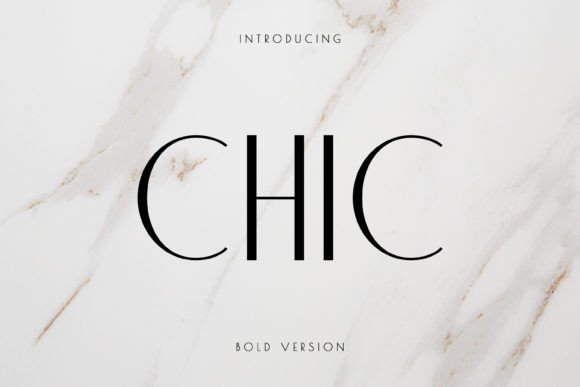
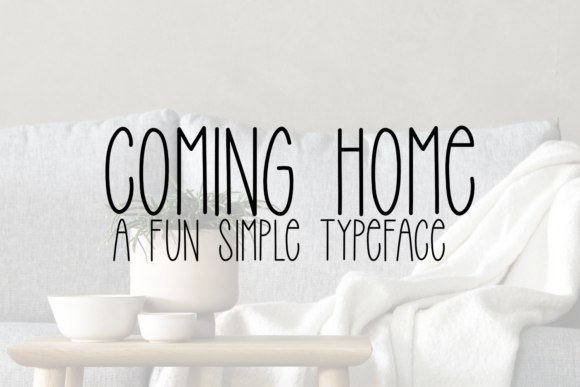
There’s a certain comfort in simplicity. In a world saturated with noise, a quiet, confident statement can cut through the clutter more effectively than a shout. This is the feeling captured by the Coming Home typeface. It’s not a font that demands attention with wild flourishes or aggressive geometry. Instead, it draws you in with its clean, tall, and slender letterforms—a modern sans serif that feels both approachable and refined. It’s the typographic equivalent of a deep, calming breath, offering clarity and warmth to any project it graces.
The Quiet Confidence of a Modern Typeface
What makes Coming Home so visually appealing is its elegant restraint. Its thin strokes and generous x-height create a sense of lightness and space, making text blocks feel airy and readable. This isn't a typeface that tries to be everything at once. It excels in its simplicity, providing a versatile foundation that can adapt to a multitude of contexts. For a small business owner crafting their first brand identity, or a seasoned designer looking for a reliable workhorse, this font offers a professional polish without pretense. It speaks in a clear, friendly voice that feels instantly trustworthy.
This quality makes it an exceptional choice for projects where readability and a modern aesthetic are paramount. Consider a minimalist website for a boutique consultancy or a wellness blog. Using Coming Home for body text ensures the content is easy to digest, while its clean lines maintain a contemporary feel. It doesn’t compete with your message; it supports and elevates it, allowing your ideas to take center stage.
From Digital Screens to Tangible Creations
The true test of a creative font is its versatility across different mediums. Coming Home transitions seamlessly from the digital realm to physical products, making it a valuable asset in any designer's toolkit. Its legibility at various sizes is a significant advantage. On a social media graphic, where text must be impactful in a quick glance, its tall, simple letters remain clear and commanding. On a product label for a artisanal candle or a skincare line, it conveys a sense of clean, honest craftsmanship that resonates with discerning consumers.
Think about packaging design for a subscription box or a gourmet food item. The font’s inherent neatness suggests quality and attention to detail. Paired with a complementary script font or a classic serif for accents, it helps build a cohesive and memorable unboxing experience. This same principle applies to print materials. Whether it’s a business card, a wedding invitation, or a promotional poster, Coming Home provides a stable, elegant framework. It ensures your contact information is easily readable and your event details feel sophisticated yet welcoming.
Building a Cohesive Brand Identity
For entrepreneurs and content creators, consistency is the bedrock of brand recognition. A font like Coming Home can serve as the cornerstone of your visual language. Its neutral yet friendly personality allows it to work harmoniously with other design elements—your logo, color palette, and imagery. Imagine a lifestyle brand’s Instagram feed. Using Coming Home consistently for quotes, announcements, and captions creates a unified look that followers will start to associate with your unique voice. This consistency builds trust and makes your content instantly recognizable in a crowded feed.
When it comes to logo design, the font’s simplicity is a strength. A wordmark logo set in Coming Home is clean, modern, and timeless. It avoids trends that may date quickly, offering a lasting foundation for your brand’s visual identity. This is particularly crucial for small businesses and startups, where first impressions are everything. A logo that feels both professional and approachable can make a potential customer feel comfortable and confident in engaging with your brand.
Practical Advice for Implementation
Integrating a new typeface into your workflow requires thoughtful consideration. Before committing, always test the font within the context of your specific project. Does it work well with your existing brand colors? How does it pair with the other fonts you intend to use? A good practice is to create a simple style guide. For instance, you might pair the clean lines of Coming Home with a more expressive handwritten font for headlines or a sturdy serif for long-form editorial layouts. This creates a dynamic and engaging typographic hierarchy.
Always pay close attention to readability, especially in digital applications. Check the font’s performance on both desktop and mobile screens. Ensure there is sufficient contrast between the text color and the background. Review the font package you purchase to understand what styles and weights are included—does it offer regular, bold, and italic versions? This flexibility is key for creating nuanced designs. Finally, for any commercial project, from merchandise to marketing assets, verify the licensing terms. Most premium fonts offer clear commercial licenses, giving you the confidence to use them across your business materials, websites, and digital products without concern.
In the end, choosing a typeface is about finding a voice that aligns with your project’s goals. Coming Home offers a voice that is clear, calm, and consistently compelling. It’s a tool designed not to overshadow your work, but to help it communicate with greater clarity and elegance. Add it to your next project, and let its simple, confident charm help you tell your story.