The Sweet Spot: Why Gistesy Feels Like Handwritten Warmth
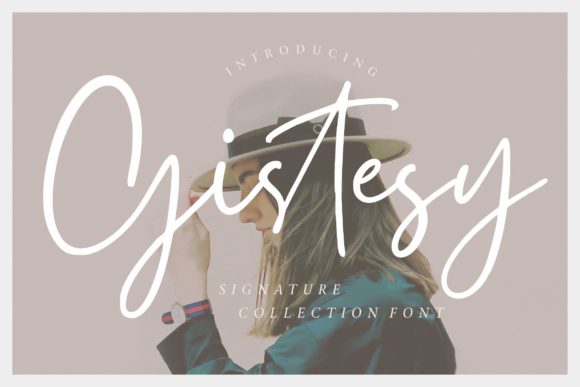
You know that feeling when you stumble across something that just clicks? That's what happened when I first encountered Gistesy. It's one of those handwritten fonts that doesn't try too hard—it simply exists with this effortless charm that makes you want to use it everywhere. As someone who's spent years hunting for the right typeface for client projects and my own creative work, I can tell you that finding a font with genuine personality is harder than it sounds. Gistesy manages to be cute without being childish, sweet without being saccharine, and unique without being so quirky that it becomes impractical. It sits in this lovely sweet spot where warmth meets versatility.
What Makes a Handwritten Font Actually Work
Let's be honest: the internet is flooded with handwritten fonts. Script fonts, brush fonts, casual typefaces—they're everywhere. Most of them fall into two camps. Either they're so perfectly polished that they lose that authentic handmade quality, or they're so rough and unrefined that they're impossible to read at smaller sizes. Gistesy avoids both pitfalls. The letterforms have this natural flow that mimics real handwriting, with subtle variations in stroke weight and slightly imperfect curves that give it character. Yet it remains surprisingly legible, even when you're working with longer text blocks or smaller applications like social media captions or product descriptions.
What really sets it apart is its versatility. I've seen handwritten fonts that work beautifully on wedding invitations but completely fall apart when you try to use them for a brand logo or website header. Gistesy transitions smoothly between different contexts. It feels at home on a artisanal candle label just as much as it does on a lifestyle blog's featured image. That adaptability is what makes it a genuinely useful design asset rather than a novelty you'd use once and forget.
Real Projects Where This Font Shines
Think about the brands you're drawn to. Chances are, many of them use typography that feels approachable and human. That's exactly where Gistesy fits into the picture. For small business owners building their brand identity, this typeface offers an immediate sense of personality. Imagine it on a coffee shop's menu board, a boutique bakery's packaging, or a handmade jewelry brand's business cards. It communicates care, attention to detail, and a personal touch—qualities that customers actively seek out from independent businesses.
For content creators and bloggers, Gistesy solves a common problem: how do you make your graphics feel cohesive and recognizable without spending hours on every single post? Pair it with a clean sans serif font for body text, and you've got a visual system that's both distinctive and readable. Use it for quote graphics, Pinterest pins, Instagram story headers, or YouTube thumbnails. The font's natural warmth helps your content stand out in crowded feeds without looking like you're trying too hard to grab attention.
Here are some specific applications where I've found handwritten fonts like Gistesy work particularly well:
- Packaging design for food products, cosmetics, candles, and artisanal goods where you want to convey handmade quality
- Logo design for lifestyle brands, creative studios, photographers, and wellness businesses
- Wedding invitations and event stationery that needs an elegant yet personal feel
- Website headers and hero text for blogs, portfolios, and small business sites
- Marketing materials like flyers, postcards, and promotional graphics
- Digital products such as planners, worksheets, and ebook covers
- Merchandise including tote bags, mugs, t-shirts, and stickers
Getting the Pairing Right
Here's where practical experience really matters. A beautiful handwritten font can actually work against you if you pair it poorly. Gistesy has enough visual weight and personality that it commands attention, so your supporting typeface needs to play a complementary role rather than compete for the spotlight. A simple, geometric sans serif works wonderfully alongside it. Think along the lines of clean, modern fonts with consistent stroke widths and generous spacing. The contrast between the organic, flowing nature of Gistesy and the structured simplicity of a sans serif creates visual interest while maintaining readability.
I'd avoid pairing it with other script fonts or overly decorative typefaces—you'll end up with a visual mess that's exhausting to look at. Similarly, very traditional serif fonts can sometimes clash with the casual energy of a handwritten style. The goal is balance. Let Gistesy do the expressive heavy lifting while your secondary font handles the informational content clearly and efficiently.
One practical tip: always test your font combinations at the actual size they'll appear in your final design. Something that looks gorgeous at 72 points on your screen might become illegible when it's printed at 14 points on a business card. Gistesy holds up reasonably well at smaller sizes compared to many handwritten fonts, but it's still worth checking. Pay particular attention to how individual letter combinations flow together—certain character pairs in script and handwritten fonts can create awkward spacing or unintentional ligatures.
Thinking About Your Audience
Typography is ultimately a communication tool, and the best font choice is always the one that resonates with your specific audience. Gistesy appeals to people who value authenticity, warmth, and creativity. If your target market skews toward millennials and Gen Z consumers who gravitate toward independent brands and handmade aesthetics, this typeface speaks their visual language. It works beautifully for businesses in the wellness, beauty, food, lifestyle, and creative services spaces.
That said, context matters enormously. A handwritten font like Gistesy probably isn't the right choice for a law firm's annual report or a fintech company's investor presentation. But for a yoga studio's class schedule, a florist's Instagram feed, or a children's book author's website? It's exactly the kind of typeface that creates an immediate emotional connection with the right audience.
Before committing to any font for a branding project, I always recommend creating a mood board with your actual content. Drop Gistesy into real scenarios—your actual business name, your real product descriptions, your genuine social media copy. See how it feels in context rather than just admiring it in isolation. A font that looks stunning in a specimen sheet might feel completely wrong when it's carrying your specific message. Trust your instincts, but also test with real people. Show a few options to friends, colleagues, or trusted customers and see which one resonates most strongly.
Practical Considerations for Commercial Use
If you're planning to use Gistesy for commercial projects—and given its versatility, you probably will—make sure you understand the licensing terms before you start. Most premium fonts come with different license levels depending on how you intend to use them. A desktop license typically covers things like printed materials and logos, while web fonts require a separate license for online use. If you're creating products for sale, like t-shirts or mugs featuring the font, you'll often need an extended or commercial license.
It's tempting to skip over licensing details, but this is genuinely important. Using a font without proper licensing can lead to legal headaches down the road, especially if your business grows or your designs gain visibility. Most reputable font foundries make their licensing terms clear and straightforward, so take five minutes to read through them before downloading.
Also worth noting: check what file formats are included with your purchase. The best font packages include multiple formats—OTF, TTF, and web font formats like WOFF and WOFF2. Having access to all of these ensures you can use Gistesy consistently across every platform and application, from your website to your print shop to your design software. That kind of consistency is what separates amateur-looking projects from professional ones, and it's a small investment that pays dividends in how your brand is perceived.