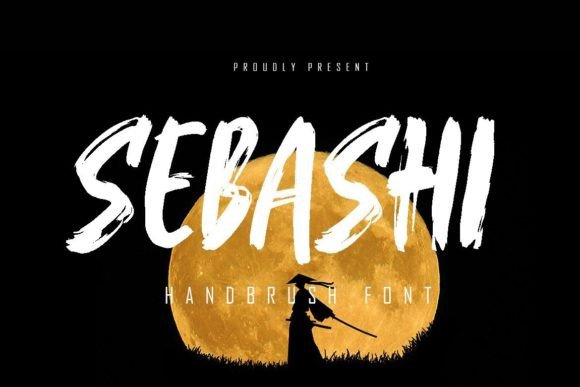
Sebashi: The Hand-Painted Display Font for Authentic Branding
There's a particular kind of magic in a design that feels genuinely made by human hands. In a digital landscape saturated with flawless vectors and sterile sans-serifs, a font that carries the authentic texture of a brushstroke can stop a viewer in their tracks. Sebashi is that kind of typeface—a textured display font where every letterform is born from a real paint brush, complete with the subtle scratches, ink bleeds, and imperfect edges that make hand-painted work so compelling. It’s not just a font; it’s a piece of craft, ready to inject raw, organic energy into your next project.
Capturing an Artisanal Vibe
What immediately sets Sebashi apart is its visual personality. This isn't a digitized script trying to look handwritten; it's a display font built from the ground up with genuine, textured brush strokes. Each character has a tangible, tactile quality. You can almost feel the bristles of the brush dragging across the paper, leaving behind a trail with varying opacity and pressure. This inherent imperfection is its greatest strength. It communicates authenticity, craftsmanship, and a hands-on approach that resonates deeply with audiences tired of generic, automated visuals.
The font's character is bold yet approachable. It carries the weight of a premium font designed for impact, making it ideal for headlines, logos, and any application where you need to make a strong first impression. The texture adds a layer of depth and interest that a flat, solid typeface simply can't achieve. For a small business owner selling handmade goods, a craft brewery, or an indie film studio, Sebashi's aesthetic aligns perfectly with a brand story rooted in originality and care.
Where Sebashi Truly Shines: Practical Applications
Understanding a font's personality is one thing; knowing how to deploy it effectively is another. Sebashi's bold, textured nature makes it a specialist, not a generalist. It excels in specific scenarios where its unique qualities can be fully appreciated without compromising readability.
Logo Design & Brand Identity: This is Sebashi's sweet spot. A logo sets the tone for an entire brand, and using a typeface like this immediately signals a creative, artisanal, or bold identity. Imagine it for a coffee roaster's logo, a surf brand, or a boutique design agency. The texture becomes a core part of the brand's visual signature, enhancing brand recognition and making the mark instantly memorable.
Packaging & Product Design: On a shelf or in a digital store, packaging has to tell a story quickly. Sebashi can make a product label for a hot sauce, a craft beer, or a natural skincare line leap off the shelf. The hand-painted look suggests a small-batch, carefully made product, adding perceived value and differentiating it from mass-produced competitors.
Poster & Editorial Layouts: For event posters, magazine covers, or book titles, Sebashi provides a dramatic, cinematic flair. Its origin in film and commercial needs is evident here—it has the visual punch required for large-scale print materials where a headline needs to be read from a distance yet feel artistically sophisticated.
Digital & Social Media Graphics: In the fast-scrolling world of Instagram or Pinterest, a post needs to grab attention instantly. Using Sebashi for quotes, announcements, or video thumbnails can break through the noise. Its texture stands out against the clean, often minimalist backgrounds common in social media, helping your content stop the scroll and encourage engagement.
Making It Work: Pairing and Readability Tips
The key to using a powerful display font like Sebashi is balance. Its strong personality means it should be used sparingly for maximum effect, typically for headlines, subheads, or key phrases. For body text, you need a complementary partner.
A classic and effective strategy is to pair a textured display font with a clean, neutral sans serif or a simple serif font. For example, Sebashi could headline a poster while a font like Helvetica, Lato, or Garamond handles the smaller, informational text. This contrast allows the display font to command attention without overwhelming the reader, ensuring overall readability and professional presentation.
Always test your font pairings in context. View them at the actual size they'll be used. Does the body text remain legible? Is there a clear visual hierarchy where the headline (Sebashi) and the body text (your secondary font) are distinct but harmonious? This testing phase is crucial for maintaining visual consistency across your brand assets.
Considering the Details: Styles and Licensing
When you invest in a creative font, it's wise to review everything included in the package. A quality font family often comes with multiple styles or weights. Check if Sebashi offers variations—perhaps a slightly cleaner version, or alternates for certain characters. These extras provide more flexibility, allowing you to adapt the font's intensity to different applications while keeping the core aesthetic consistent.
Equally important is understanding the commercial license. If you're using Sebashi for a client project, merchandise for sale, or any for-profit enterprise, you need to ensure you have the proper commercial license. This isn't just a legal formality; it's an ethical practice that supports the designers who create these valuable tools. A clear license allows you to use the font confidently across all your marketing assets, from your website to printed merchandise.
Ultimately, choosing a typeface like Sebashi is a strategic design decision. It’s about selecting a tool that doesn't just display words but communicates a feeling. For projects that demand a touch of human artistry, a bold visual statement, and an authentic connection with the audience, this hand-painted display font offers a compelling and highly effective solution. It bridges the gap between digital precision and the beautiful imperfection of handmade craft.