Bubble Bean: A Font That Feels Like a Celebration
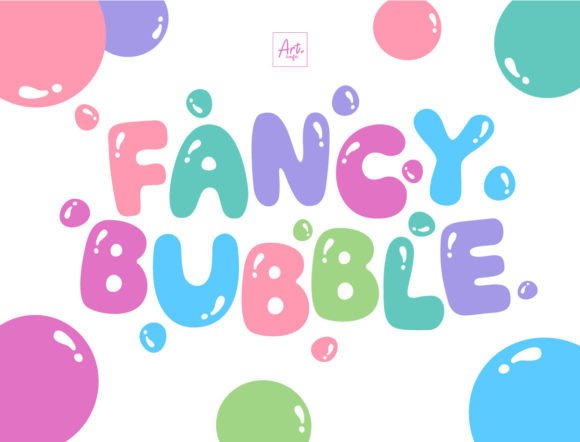
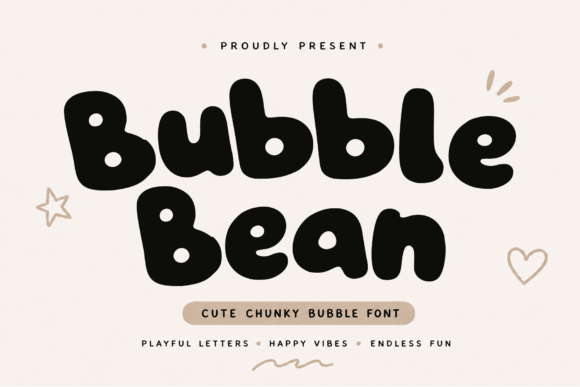
Sometimes a design just needs a little bit of joy. It needs a typeface that smiles back at the viewer, one that feels less like formal communication and more like a shared moment of fun. That’s the immediate personality of the Bubble Bean font. It arrives with bold, rounded letterforms that feel full and inviting, like carefully shaped balloons or friendly clouds. This isn’t a font that tries to be edgy or overly sophisticated; its strength lies in its soft, cheerful character and its immediate, unmissable legibility. For anyone working on a project aimed at families, kids, or simply a lighthearted audience, finding a typeface with this specific kind of warmth can be the key to making a design feel both professional and approachable.
Beyond the Letters: Adding Personality with Doodles
What often sets a good display font apart is how it extends beyond the basic alphabet. Bubble Bean includes a set of extra doodles—simple, playful decorative elements that integrate seamlessly with the letterforms. These aren’t complex illustrations but rather little bursts of creativity: stars, hearts, swirls, and other simple shapes that can be used to fill space, create borders, or add emphasis to a headline. Imagine designing a poster for a children’s event and being able to sprinkle matching doodles around the title, or creating a social media graphic where the text is accented with little visual flourishes that feel native to the font itself. This turns the font from a simple text tool into a mini design system, helping to build a lively and expressive composition without needing to hunt for separate graphic assets.
Practical Applications: Where This Font Truly Shines
Understanding a font's personality is one thing; knowing where to deploy it is what matters in real-world projects. The rounded, full shapes of Bubble Bean make it exceptionally versatile for a range of applications where clarity and a friendly vibe are priorities.
- Branding & Logo Design: For a brand targeting a youthful market—think a kids' clothing line, a daycare center, a family-friendly cafe, or a toy store—this typeface can form the core of a friendly, memorable logo. Its boldness ensures it remains recognizable even at small sizes, which is crucial for everything from a website favicon to a merchandise tag.
- Packaging & Product Design: On food packaging for snacks, cereals, or treats, Bubble Bean can communicate fun and taste appeal. It’s also perfect for labeling products in craft kits, party supplies, or children's books. The legibility at a glance is a major asset on a crowded shelf.
- Digital Presence & Social Media: In the fast-scrolling world of social media, a post needs to catch the eye instantly. Using Bubble Bean for Instagram stories, YouTube thumbnails, or Facebook event graphics can stop the scroll with its cheerful energy. It works well for quotes, announcements, and calls-to-action that need to feel engaging rather than demanding.
- Print Materials & Invitations: Think about birthday party invitations, school event posters, or flyers for a local fair. This font sets the right tone immediately. It can also be surprisingly effective for newsletter headers or section breaks in a more casual editorial layout, adding a touch of whimsy without sacrificing readability.
- Merchandise & Creative Projects: If you’re designing T-shirts, tote bags, stickers, or mugs for a niche audience that appreciates playful design, Bubble Bean provides a solid foundation. Its clean curves translate well to various printing methods, from screen printing to digital direct-to-garment.
Pairing and Professional Considerations
A font rarely works in complete isolation. Pairing Bubble Bean with the right secondary typeface is key to creating a balanced and professional design. Because it’s a bold, playful display font, it often pairs best with a clean, simple sans serif font for body text. A neutral sans serif provides a calm counterpoint, ensuring your paragraphs of information remain easy to read without competing for attention. For a slightly different feel, a simple handwritten font could complement it for specific accents, but caution is needed to avoid a cluttered look.
When incorporating any new font into a project, especially a commercial font, a few practical steps are wise. First, always review the full character set and any included stylistic alternates or ligatures. Does it have the punctuation and special characters your project needs? Second, test it in context. Mock up a headline, a subheading, and a line of body text together. Check the spacing (kerning) between tricky letter pairs. Third, consider your audience and medium. While Bubble Bean is highly legible, its very playful nature might not suit a formal law firm's website, but it could be perfect for a pediatric dentist's office. Finally, verify the licensing. Ensure the font license covers your intended use, whether for a single client project, unlimited commercial work, or products for sale.
A Tool for Connection and Clarity
Ultimately, choosing a typeface like Bubble Bean is a strategic decision about the feeling you want to evoke. It’s a tool for connection, designed to make a viewer feel welcomed, amused, and understood. In a landscape filled with countless premium fonts, its value lies in its specific, well-executed personality. It doesn’t try to be a serif font for academic papers or a script font for elegant weddings. It knows what it is: a cheerful, bold, and incredibly usable typeface for projects that need a dose of fun. For the small business owner creating their first packaging, the content creator building a vibrant online presence, or the designer tasked with a kid-centric campaign, having a reliable, character-driven font in your toolkit can make the creative process smoother and the final result more impactful. It’s about finding the right voice for your visual story.